
Compare and Choose Local Contractors for Solar Installation
Compare local contractors for solar installation to verify experience, define project scope, and set clear expectations in writing for a successful project.
Solar installation contractors typically handle a range of services related to the setup of solar energy systems on residential or commercial properties. Their work often includes assessing the property’s solar potential, designing system layouts, obtaining necessary permits, and installing panels, wiring, and mounting equipment. Some contractors may also provide system testing and initial commissioning to ensure the setup functions properly. Understanding the scope of services offered helps property owners determine what tasks are included and identify any additional work that might be needed beyond the initial installation.
Defining the scope of a solar installation project is essential because it clarifies the responsibilities and expectations for both property owners and service providers. A well-documented scope outlines the specific tasks to be completed, the equipment to be used, and the roles of each party. This clarity helps prevent misunderstandings and ensures that the project proceeds smoothly. Property owners should verify that the scope aligns with their goals and ask service providers to put all details in writing, including any assumptions or exclusions, to establish a clear agreement before work begins.
When comparing local contractors for solar installation, property owners should consider their experience with similar projects and their familiarity with local regulations and permitting processes. It’s helpful to review the types of systems they have installed and ask for references or examples of completed work. Additionally, evaluating how each contractor communicates and whether they provide detailed proposals can reveal their professionalism and transparency. Gathering information about their approach to defining scope and handling project details can assist property owners in making informed choices and selecting service providers who best meet their needs.
Compare local contractors by outlining project priorities, verifying experience, and setting clear expectations in writing.
- Compare Contractor Credentials - Review the experience and reputation of local contractors to ensure they meet your project requirements.
- Define Project Scope Clearly - Specify your installation needs in writing to set clear expectations with service providers.
- Verify Experience and Past Work - Assess previous projects and expertise to gauge the suitability of each contractor.
- Request Written Agreements - Obtain detailed, written descriptions of the work scope and responsibilities before proceeding.
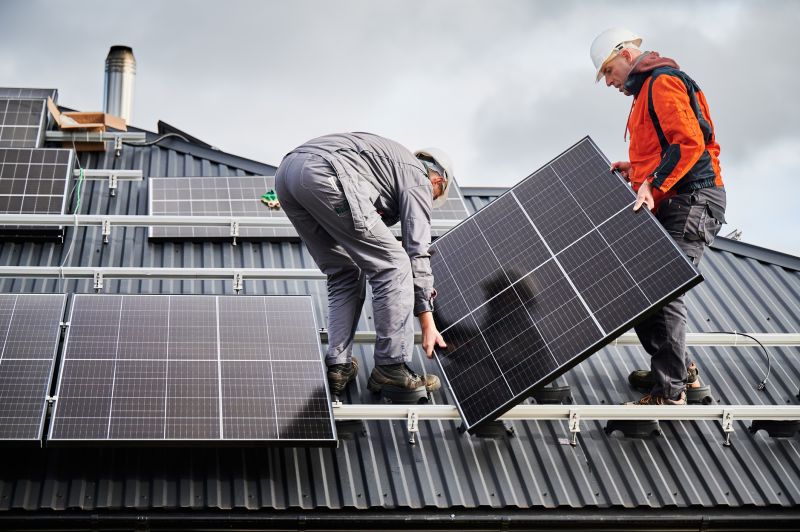
Before comparing options, clearly describe your solar installation project to help local contractors understand your needs and set expectations in writing.
- Verify the contractor’s experience with solar installation projects of similar scope and complexity. - Ensure the service providers clearly define the project scope and deliverables in writing.
- Assess the contractor’s reputation through reviews, references, or past project examples. - Confirm that local contractors have a track record of reliable and quality work.
- Check that the proposal includes detailed specifications for equipment, materials, and installation methods. - Look for comprehensive documentation outlining the installation process and components.
- Ensure the scope of work and responsibilities are outlined explicitly to prevent misunderstandings. - Make sure expectations and responsibilities are agreed upon and documented before work begins.
- Confirm that the contractor adheres to local building codes and permits are obtained if required. - Verify that all necessary permits are secured and compliance standards are met.
- Discuss the warranty and post-installation support offered by the service providers. - Understand what coverage or support is included after the installation is completed.
Compare local contractors, verify their experience, and clearly define project scope to set expectations.

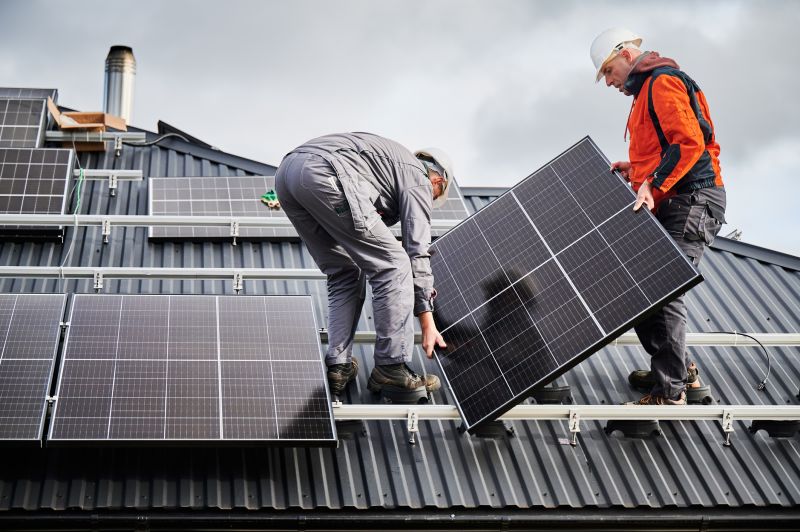


Use clear, consistent comparison criteria to evaluate scope, experience, and written expectations across local contractors.
- Project Scope Definition - Clearly outline the specific tasks and responsibilities involved in the solar installation project.
- Site Assessment Requirements - Determine what site evaluations are necessary to understand structural, electrical, and shading considerations.
- Experience and Expertise Verification - Identify the level of experience and technical knowledge required of local contractors for the project.
- Work Specifications Documentation - Document detailed technical specifications and installation standards to ensure clarity and consistency.
- Communication and Documentation Expectations - Establish how project details, changes, and responsibilities will be communicated and recorded in writing.
When evaluating contractors for solar installation, it is important to consider their experience with projects similar in scope and complexity. Homeowners should inquire about the types of systems the contractor has installed and the environments in which they have worked. A contractor with a proven track record of handling projects comparable to the home’s size, roof type, and location can offer insights into their familiarity with potential challenges and their ability to deliver a reliable system.
A clear, written scope of work is essential for setting expectations and ensuring transparency. Homeowners should seek detailed documentation that outlines the specific tasks, equipment, and responsibilities involved in the installation process. This helps prevent misunderstandings and provides a basis for evaluating whether the proposed work aligns with the homeowner’s needs and project goals. A well-defined scope also serves as a reference point for future discussions or adjustments, fostering clarity throughout the project.
Verification basics involve confirming a contractor’s experience and qualifications through references or past project examples. Homeowners can ask service providers for contact information of previous clients or examples of completed installations similar to their own. Additionally, understanding the contractor’s process for ensuring quality and compliance with local standards can help in assessing their professionalism and reliability. These verification steps are key to building confidence in the contractor’s ability to handle the project effectively.
When comparing options, it is important to focus on the quality of the proposed scope and the contractor’s experience rather than solely on price or timeline promises. Homeowners should review written proposals carefully, paying attention to the details of the work outlined and the experience credentials provided. Asking for clarification on any ambiguous points and ensuring that all aspects of the project are documented can help in making an informed decision. This approach ensures that the selected service provider is well-equipped to deliver a result that meets the homeowner’s expectations.
Ask contractors to provide written scope details to ensure clear understanding and consistent expectations.
- Experience and Credentials - How can I verify the experience and track record of local contractors?
- Scope of Work - What specific tasks and materials are included in each contractor’s scope of work?
- Comparison of Services - How do different service providers' offerings and service levels compare?
- Written Agreements - Are all project details, responsibilities, and expectations clearly outlined in written agreements?
- Customer References - Can I review references or examples of previous solar installation projects handled by the contractors?
How can I compare different solar installation contractors? To compare contractors, review their experience, verify references or reviews, and ensure their scope of work aligns with your project needs. Gathering detailed information helps in making an informed decision.
What should I consider when defining the scope of a solar installation? Clearly outline the project's size, preferred equipment types, and any specific site requirements. Communicating these details ensures contractors understand your expectations and can provide accurate proposals.
How can I verify a contractor’s experience with solar installations? Ask for examples of past projects, check references, or review any available portfolio of completed work. Confirming experience helps ensure the contractor is capable of handling your specific installation.
Why is it important to have the project scope in writing? Having the scope documented helps prevent misunderstandings, sets clear expectations, and provides a reference point throughout the project to ensure all parties are aligned.
What questions should I ask a contractor before hiring for a solar installation? Inquire about their previous experience, the scope of services offered, the process they follow, and how they handle project-specific details. This information supports a thorough comparison of service providers.
How can I ensure a contractor understands my installation needs? Clearly communicate your project goals, site conditions, and preferences, and ask how they plan to address these in their proposal. Open dialogue helps ensure mutual understanding before work begins.
By reviewing the information provided, visitors now understand how to effectively compare local contractors for solar installation projects. They’ve learned the importance of defining the scope of work, verifying experience, and putting expectations into writing to help ensure a smooth process. Using the quote form can assist in connecting with qualified service providers who meet specific needs, making it easier to explore options in the area.
Encouragement to utilize the quote form is the next step toward finding suitable local contractors. Comparing options through this tool allows for a clear understanding of available service providers and their offerings. Taking the time to gather details from multiple local contractors can help in making informed decisions tailored to individual project requirements.